
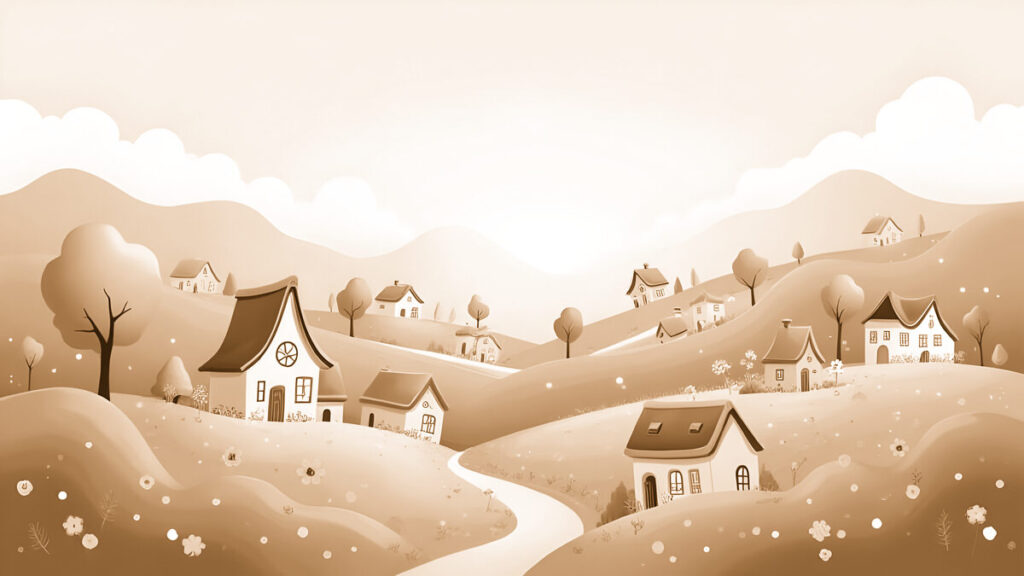
Nestled just south of Bradley Boulevard, the South Bradley Hills neighborhood is one of Bethesda, Maryland’s best-kept secrets. With its tree-lined streets, gently rolling terrain, and a storied past, this community offers far more than picturesque homes—it’s a living story of growth, tradition, and neighborhood spirit.
A Neighborhood with Deep Roots
To understand South Bradley Hills, you first need to step back to the early 20th century, when suburban development began radiating from Washington, D.C. At that time, Bethesda was little more than a crossroads village, with farmland and woodlands as far as the eye could see. Bradley Boulevard existed as a dusty country lane, named in honor of General Omar N. Bradley, the famed World War II commander. As Bethesda’s appeal grew, the surrounding hills and woods became prime real estate for families seeking a quiet retreat from the city.
South Bradley Hills took its name from this stretch of boulevard and the gentle southern slopes that distinguish the area’s landscape. The “Hills” is more than a descriptor; it’s a nod to the neighborhood’s undulating topography, which lends an intimate, tucked-away feel.
Key Historical Milestones
- 1920s–1940s: The area saw its first residential development during this era, with the earliest homes dotting Bradley Boulevard, Denton Road, and Wellington Drive. These initial builds often showcased classic colonial architecture, many of which still stand today as emblems of the neighborhood’s charm.
- Post-World War II Boom: The late 1940s and 1950s were pivotal. With the influx of families after WWII, South Bradley Hills blossomed with new construction, incorporating rambler and split-level homes interspersed among the older colonials. During this period, streets such as Harling Lane, Hillcrest Drive, and Merrick Road became home to families forging a close-knit community ethos that persists to this day.
- Modernization and Conservation (1970s–Present): As Bethesda transformed into a vibrant urban suburb, South Bradley Hills balanced progress with preservation. Thoughtful infill projects, careful updates to older homes, and the continued preservation of mature trees have maintained the area’s unique character while enhancing its modern appeal.
Notable Landmarks and Institutions
One of the most iconic features of South Bradley Hills is its proximity to the Capital Crescent Trail, a beloved path that once hosted the Georgetown Branch of the B&O Railroad. Today, the trail edges the neighborhood along Little Falls Parkway, offering residents miles of scenic walking, biking, and nature-watching right at their doorstep.
At the heart of the neighborhood is the lush Norwood Local Park, reached easily from nearby Harling Lane or Hillcrest Drive. With wide open fields, shady picnic spots, and a bustling playground, Norwood Park has long served as a gathering spot for community picnics, little league games, and laughter-filled afternoons.
Just down the road, the iconic Round House Theatre (originally housed in the Leland Street Community Center) and the historic Bethesda Meeting House on Old Georgetown Road remind residents and visitors of the area’s enduring ties to the larger story of Bethesda.
Evolution and Character
Perhaps what defines South Bradley Hills is its ability to gracefully evolve while retaining its sense of place. Originally developed as an escape from city hustle, the neighborhood now boasts easy access to downtown Bethesda’s cosmopolitan dining, shopping, and cultural venues—yet stepping onto streets like Pembroke Road or Denton Road still feels like entering a bygone era.
- Many of the neighborhood’s original homes, built in the pre-war and post-war years along Wellington Drive and Merrick Road, have been carefully renovated rather than replaced, maintaining the modest scale and friendly vibe that make the area welcoming.
- Community organizations, including the South Bradley Hills Neighborhood Association, have played a pivotal role in fostering neighborliness, advocating for safe streets, and preserving the mature canopy that is a hallmark of every block.
The community’s schools, notably Bradley Hills Elementary and nearby Bethesda-Chevy Chase High School, are frequent sources of pride and togetherness. Their PTA-led events often spill into the neighborhood, further weaving the school community into the area’s fabric.
The Enduring Spirit of South Bradley Hills
For those lucky enough to call South Bradley Hills home, it’s the intangibles that make this neighborhood most special:
- Summer potlucks and Fourth of July parades winding down Denton Road.
- The annual block parties where stories from old-timers—about sledding down Hillcrest in the winters of yesteryear—delight new families.
- Mature oak, sycamore, and elm trees that shade the sidewalks, many of which were planted by the first residents nearly a century ago.
Despite the inevitable passage of time and growth, South Bradley Hills retains a rare quality: a genuine spirit of continuity. Newcomers are greeted as friends, and old homes are cherished, not razed. Here, the past isn’t a memory—it’s a living backdrop to everyday life.
Conclusion
South Bradley Hills endures as a tapestry of Bethesda’s heritage—timeless, warm, and always evolving. Whether you’re strolling beneath the stately trees of Wellington Drive or cheering on kids at Norwood Park, you can feel the echoes of every chapter that came before. It’s more than a neighborhood; it’s a community shaped by those who’ve loved it, past and present.